Fogged Window Glass This Fall? When Glass-Only IGU Replacement Beats a Full Window Swap in Metro Vancouver
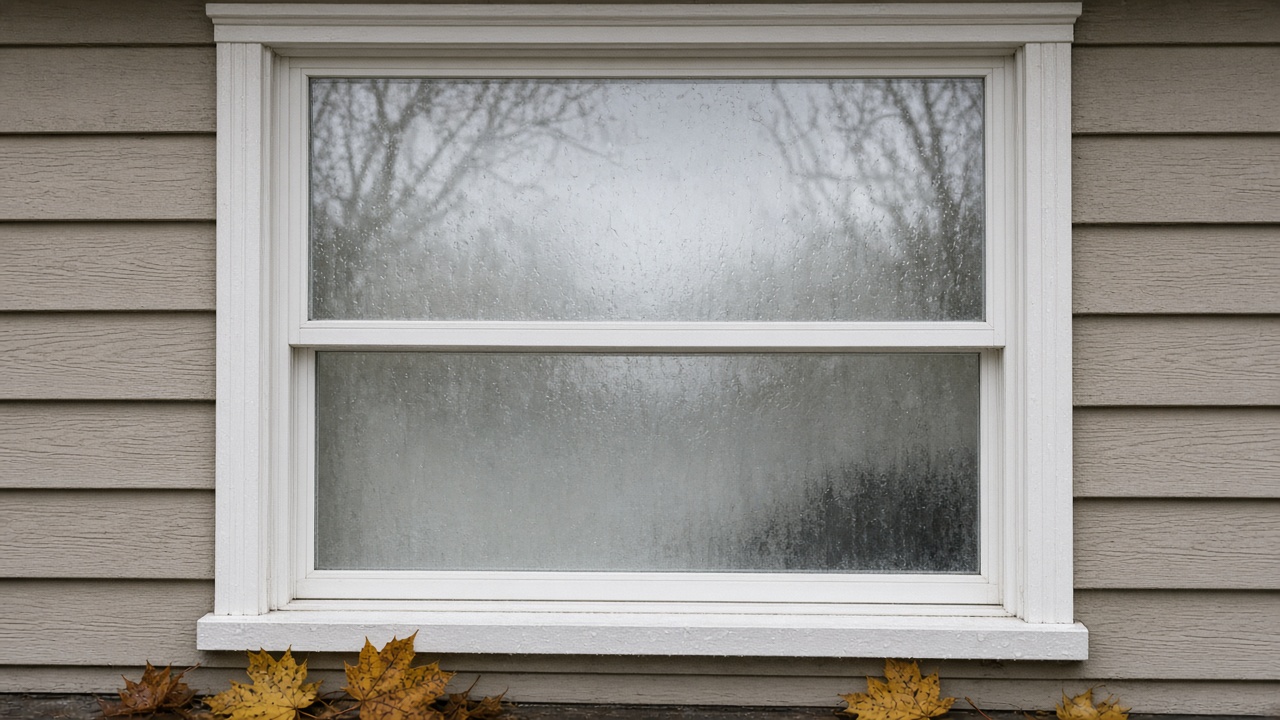
Cloudy glass that will not wipe clean is a common wet-season call across Metro Vancouver homes. Moisture trapped between the panes of an insulated glass unit (IGU) means the seal has failed—while the frame may still be fine. That is the fork: replace the sealed glass only, or swap the whole window.
This guide is for house windows—fixed, picture, double-hung, casement, sliding, bay, and awning—not a redo of room-side condensation vs a failed seal, and not the patio door glass-only vs full door path. Here we stay on windows: when keeping the sash and frame makes sense, and when a full unit is smarter before winter rain settles in.
Fogged IGU vs “I need new windows”
A failed IGU looks foggy, milky, or streaked inside the sealed unit. You cannot dry it with a cloth. Through a Lower Mainland fall and winter that cloudiness often worsens, the insulating space works less well, and rooms can feel draftier.
Fog between panes does not automatically mean:
- The vinyl or aluminum frame is ruined
- Every window on that elevation must come out
- You need a whole-home window package next week
VanCity’s window glass replacement work centres on a common Metro Vancouver fix: replace the IGU while keeping a sound existing frame, then reseal and weatherproof. Full window replacement is still right when the frame, sash, or hardware has failed—but fog alone is a glass problem until an on-site look says otherwise.
Still unsure if moisture is room-side or between panes? Use the room-side vs fogged IGU checklist first. Wipeable indoor fog is humidity and ventilation. Permanent between-pane fog is a sealed-unit ticket.
When glass-only IGU replacement is the better path
Glass-only (IGU) replacement usually wins when most of these are true:
The frame and sash are structurally sound
Look for solid corners, no soft or crumbling wood, no bent aluminum, and sashes that still square in the opening. Hairline paint cracks are different from rot at the sill or a twisted stile. A free in-home assessment is how you confirm this—phone photos help, but they miss soft spots.
Operation still works
The window locks, slides, or cranks without binding. Weatherstripping may need a refresh later; that does not force a full unit if the glass pocket is the only failure.
The problem is the sealed unit, not water pouring around the frame
Fog between panes points at the IGU seal. Active leaks at the exterior caulk line, flashing, or sill pan are building-envelope issues that may widen the scope. Mention both symptoms when you request a quote.
You want clarity restored with less disruption
Keeping the frame means less trim and paint work, and a measured unit that drops into the existing pocket. For many double-hung, casement, sliding, and picture windows across the Lower Mainland and Fraser Valley, that clears the view and restores the sealed envelope for the wet season.
You may want a glass upgrade while the unit is open
Low-E coatings, modern spacers, tempered or laminated make-ups where needed, or a better insulated stack are often discussed at measure time. Upgrades belong in the quote—they do not require ripping out a healthy frame.
When a full window swap makes more sense
Choose a full window (sash + frame, or a complete insert/replacement unit as scoped on site) when fog is only one symptom among several:
- Soft, rotten, or delaminating wood at sills, jambs, or meeting rails
- Bent, corroded, or out-of-square metal frames that will not hold a new IGU square
- Chronic leaks around the unit after storms—not just cloudy glass
- Failed balances, rollers, or operators that make the window unsafe or unusable even with clear glass
- Warped sashes that will not seal against the weatherstrip no matter how good the new IGU is
- Reno timing where you are already opening the wall or replacing cladding and want a coordinated unit
A fogged lite in a failing frame is a short-lived fix if you only swap glass. An honest assessment names that early so you are not fabricating a custom IGU into a pocket that cannot hold it.
Fall timing: why this decision matters now
Coastal fall is when seal failures show up hardest: temperature swings, wind-driven rain, and heating make cloudy IGUs obvious. Leaving them until spring means another wet season of weaker insulation and a view that never clears.
Practical fall order:
- Confirm between-pane fog (not wipeable room-side condensation).
- Walk the frame—sound vs soft, square vs twisted, dry vs leaking.
- Decide glass-only vs full unit before fabrication.
- Measure once, then schedule install before peak rain.
Broken glass from storms is a different path—secure the opening via emergency board-up when needed. Fogged-but-intact units are usually a measured quote job, not a plywood night.
Decision tree: glass-only or full window?
Use this before you lock a scope:
- Can you wipe the fog away from the room side?
Yes → humidity / room-side issue (diagnostic post).
No, and haze sits between panes → failed IGU; continue.
- Is the frame/sash solid, square, and dry at the perimeter?
Yes → lean glass-only IGU replacement.
No → lean full window (or repair framing first, then glass).
- Does the window still operate safely?
Yes → glass-only remains on the table.
No → include hardware/sash/full-unit options in the quote.
- Is this a patio door or a window?
Patio / sliding / French door fog → see patio glass-only vs full door.
House window → stay on this path with window replacement.
- Any strata or landlord rules?
Note them on the quote form so access, color match, and approval do not stall fabrication.
What a glass-only job typically includes
On a sound frame, residential IGU work usually follows:
- In-home look and measure — confirm seal failure, frame condition, and glass options.
- Custom fabrication — sealed unit built to the pocket; lead time depends on size, coatings, and availability.
- Install day — old IGU out, pocket prepped, new unit sealed and weatherproofed.
- Check and cleanup — operation, seals, clean glass, debris removed.
VanCity’s residential and window teams handle foggy and broken glass across common styles in Greater Vancouver and the Fraser Valley. Pricing depends on size, glass type, access, coatings, and whether scope stays glass-only or widens—ask for both paths when the frame is borderline.
What to send with your quote request
Helpful details for Get A Quote:
- Window style (picture, casement, double-hung, sliding, bay/bow, awning)
- Photos of the exterior, interior, and any corner fog or etching between panes
- Whether fog is on one lite or several on the same elevation
- Notes on drafts, soft wood, sticking sashes, or exterior leaks
- Whether you want like-for-like clarity or to discuss low-E / safety-glass upgrades while the unit is open
- Strata or rental constraints if applicable
You do not need a renovation plan to fix a failed seal. You need a clear keep-frame vs full-window call and a measured unit that matches the opening.
Clear the view without defaulting to a full tear-out
Fogged insulated glass is a wet-season reality for Metro Vancouver homes. It does not always mean new windows end-to-end. When the sash and frame are sound, glass-only IGU replacement restores clarity with less disruption. When wood is soft, metal is twisted, or water gets past the frame, a full window swap protects the wall—not just the view.
Get A Quote — measured glass-only or full-window options for your fogged units.
Window replacement — foggy seals, broken glass, and energy-minded IGU upgrades when the frame allows.
Residential glass — windows, doors, and related home glass across the Lower Mainland.
Call or text 778-239-6052, or email info@vancityglassltd.com. VanCity Glass Team helps Metro Vancouver and Fraser Valley homeowners choose glass-only IGU replacement or a full window path based on the frame in front of them—not a one-size fall panic.